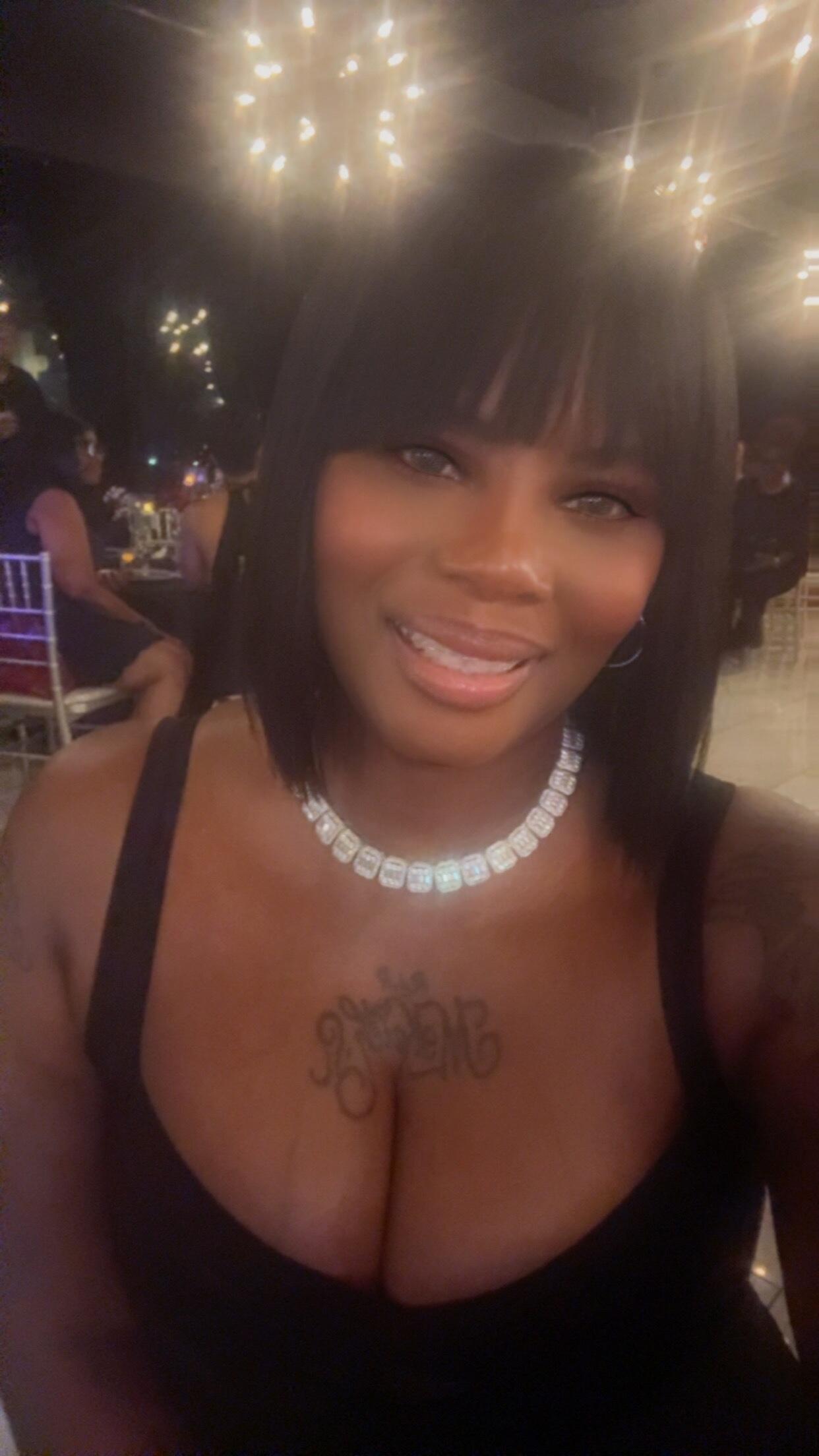
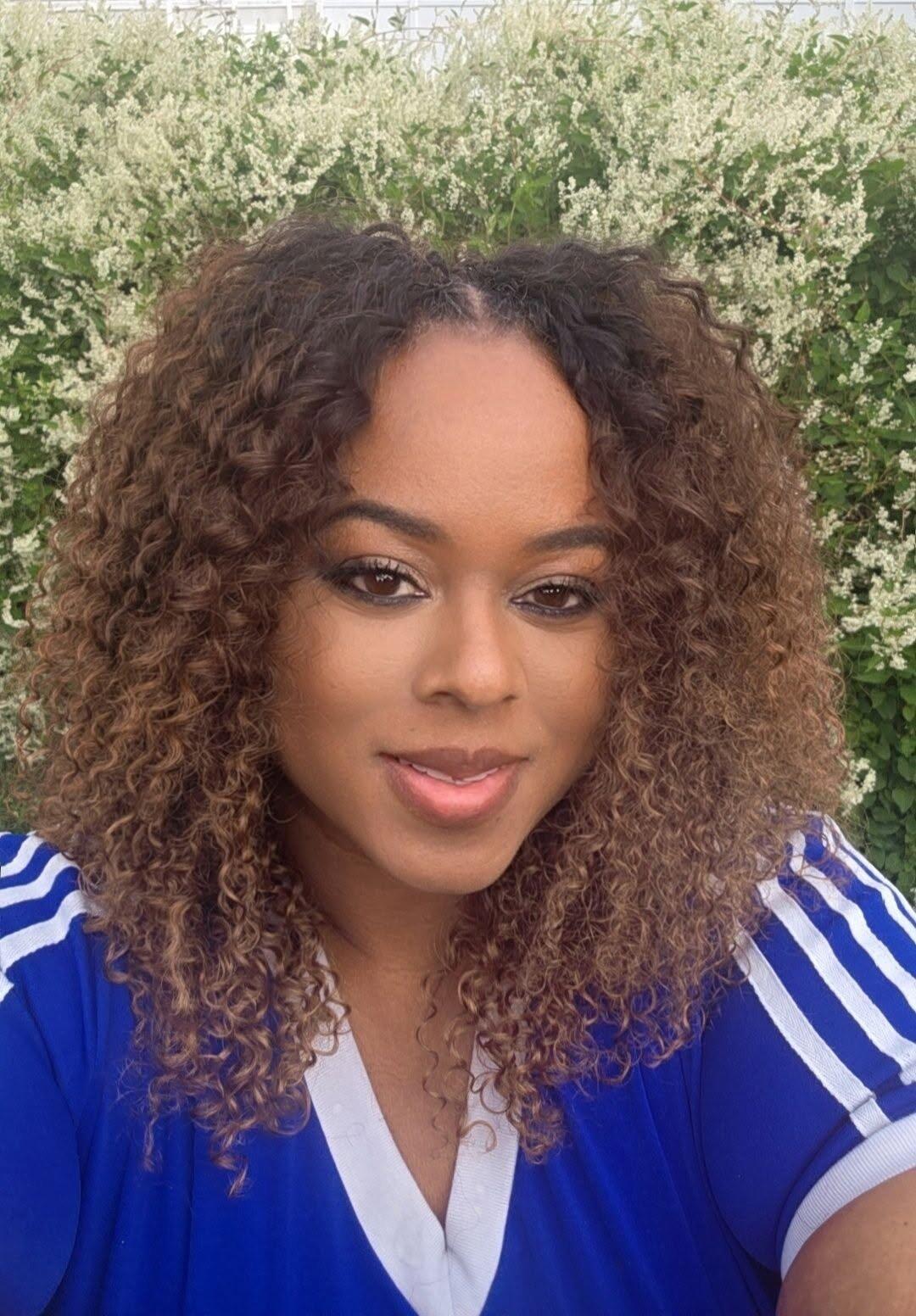
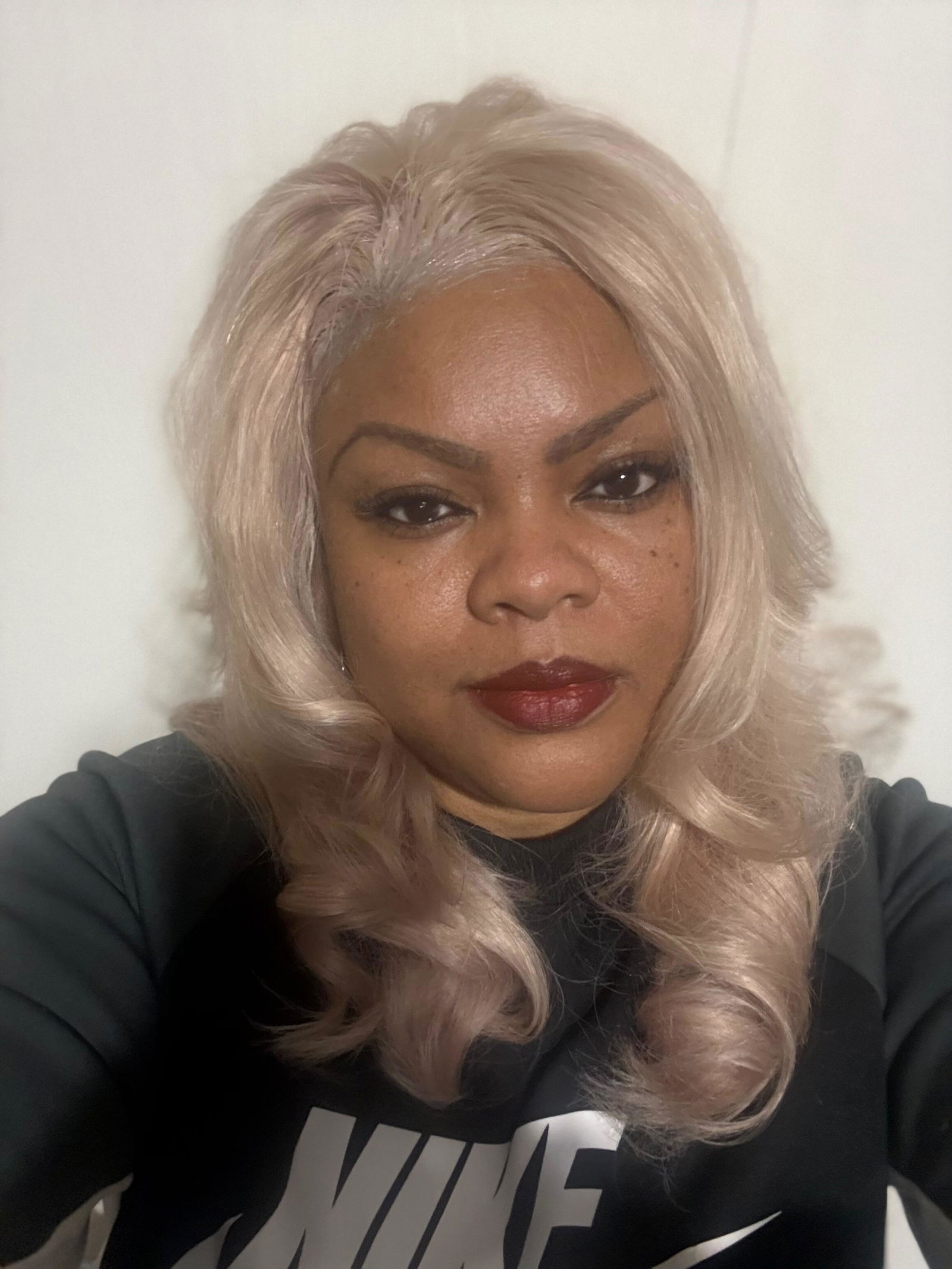
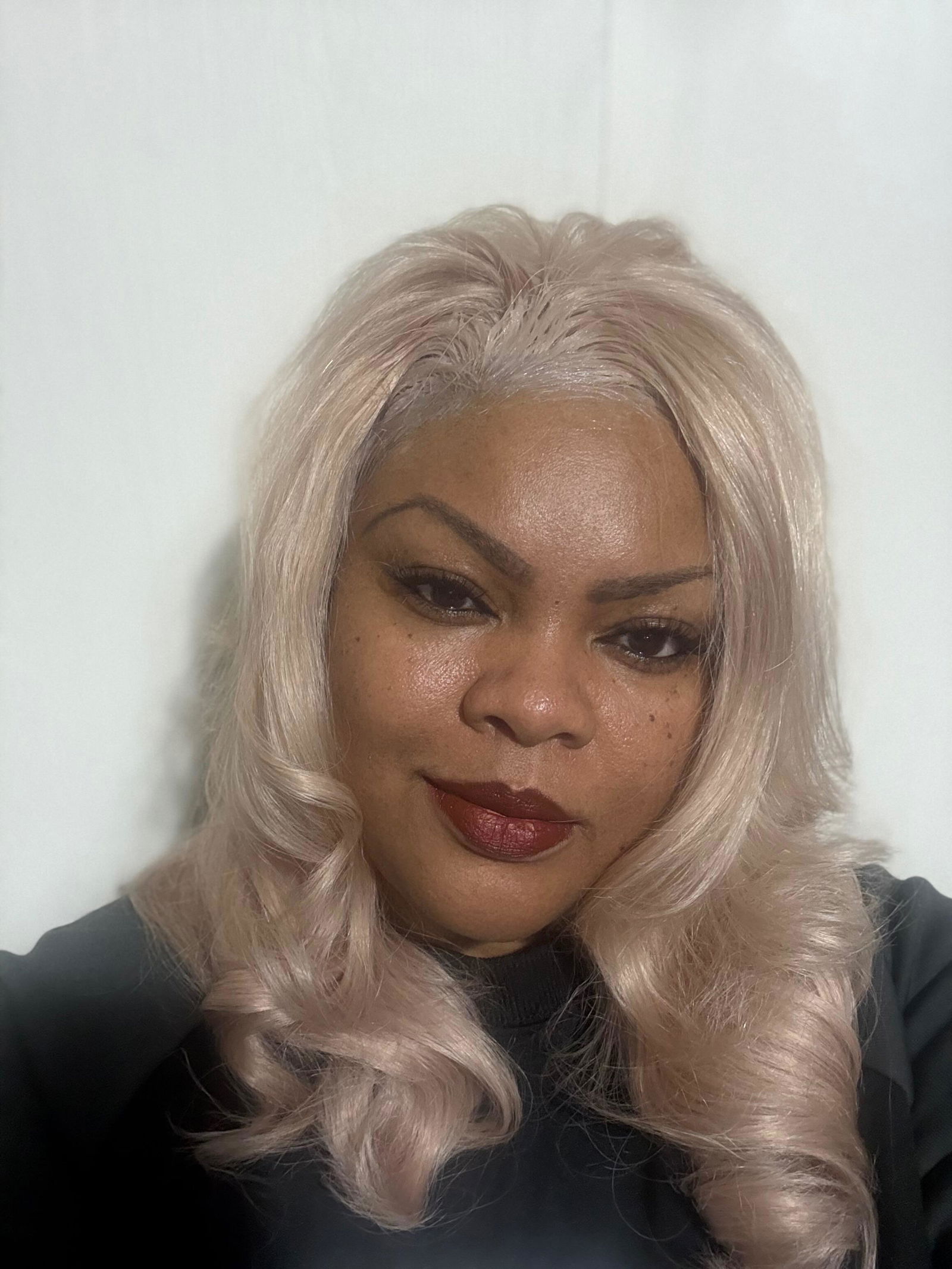
Give your occasion hair a proper dress rehearsal
A practical timeline for testing fit, outfit balance and styling choices before an important day.
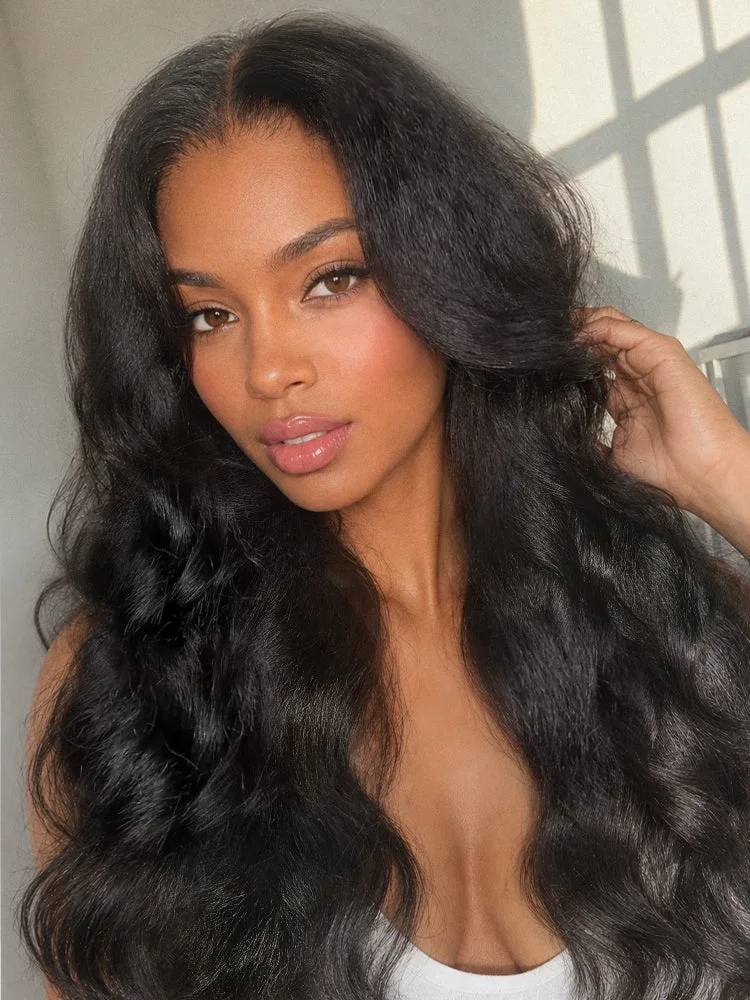
An occasion look has more moving parts than the hair alone. A neckline, earrings, veil, jacket or glasses can change the way a style feels and photographs. A rehearsal gives you time to notice those details while decisions are still easy to change. You do not need a complicated production schedule; you need a clear look, a suitable piece and a small set of checks that make the actual day feel more familiar.
Begin with the complete outfit
Place the outfit, accessories and hair references together before choosing a style. Decide which feature you want to lead the look. A detailed neckline may make you prefer hair away from that area, while a simple dress may leave room for a fuller silhouette. These are creative choices, not rules that limit what you can wear.
Save two or three references and identify the specific detail you like in each. It might be the parting in one image and the softer ends in another. Explain those details to your stylist rather than expecting several different photographs to describe one consistent result on their own.
Choose the piece with the event in mind
Check the cap, material, parting options and selected length against the intended style. Do not assume a particular updo or exposed hairline is supported by every construction. If the event look requires professional customisation, discuss the exact piece before purchasing or altering it.
Also consider the practical setting. Will you wear a coat, spend time outdoors or change outfits? Which accessories must stay in place? These questions help shape a realistic brief. They do not establish a product’s performance in wind, heat or water; any specific suitability needs to come from the product instructions rather than the mood board.
Schedule the trial around actual readiness
Allow enough time for the piece to arrive, for its condition and selected options to be checked, and for any appropriate fitting appointment. Use confirmed delivery information instead of assuming a universal lead time. Review the shipping page and the details associated with the order when making the schedule.
Keep the initial inspection separate from permanent customisation. Check the return conditions before cutting, washing or otherwise changing a new item. Once you have decided to keep it, a trial can explore the intended finish more fully. The point is to avoid discovering a basic mismatch after an irreversible change.
Rehearse more than the front view
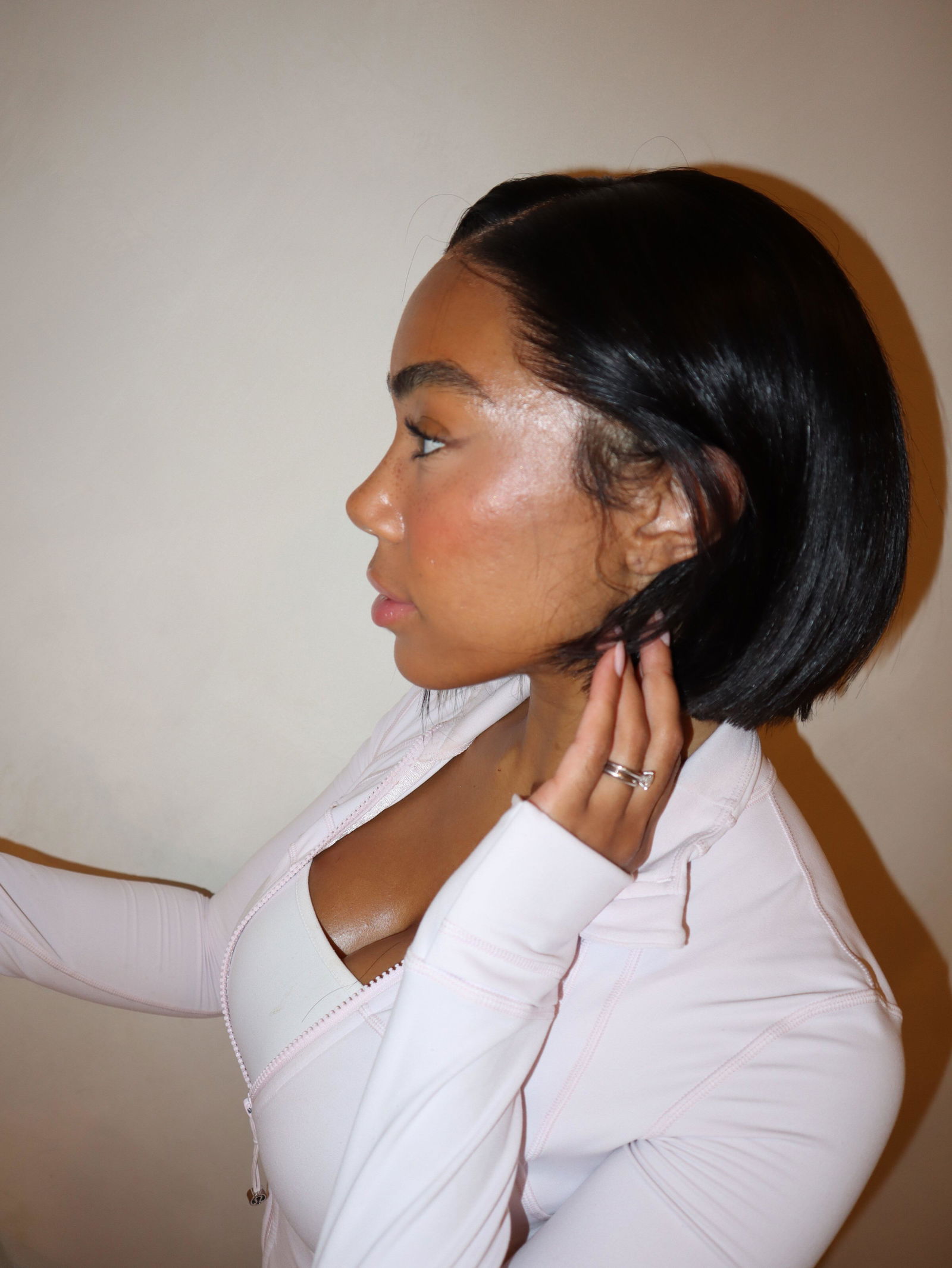
Wear the intended outfit or something with a similar neckline. Add the accessories that interact with the hair, and check front, side and back views. Sit, walk and turn as you normally would. Notice whether you keep moving a section away from your face or whether an accessory catches the hair.
Take a few clear photographs in the lighting you have available, without filters. Use them to compare balance and placement, not to demand an identical result under every possible light. If someone else will style the hair on the day, share the useful views and your notes about what felt comfortable during the trial.
Build a small, relevant preparation list
Write down the agreed styling steps and the items actually needed. Include any product-specific instructions that the person helping you should know. A short, accurate list is more useful than a bag of unfamiliar products gathered at the last minute.
Plan who will handle the final adjustments, where they will work and when the hair needs to be ready. Leave room for dressing carefully around the finished style. If you have an alternative look, keep it simple and compatible with the same piece rather than depending on an untested transformation. Your backup should reduce decisions, not create another full styling project.
Keep the best parts of the rehearsal
After the trial, choose a small set of final references and discard the conflicting ones. Note the cap placement, parting, accessories and any agreed adjustments. On the day, follow the plan you tested instead of adding new techniques because there is spare time. Our cap-fit guide covers the starting checks, and the wig collection lets you compare the construction details behind your chosen silhouette.
Keep exploring. Your next chapter is yours to shape.
Back to the journal