Build a half-wig look around your own hair
Plan the blend, placement and styling routine before choosing a half wig or changing your natural hair.
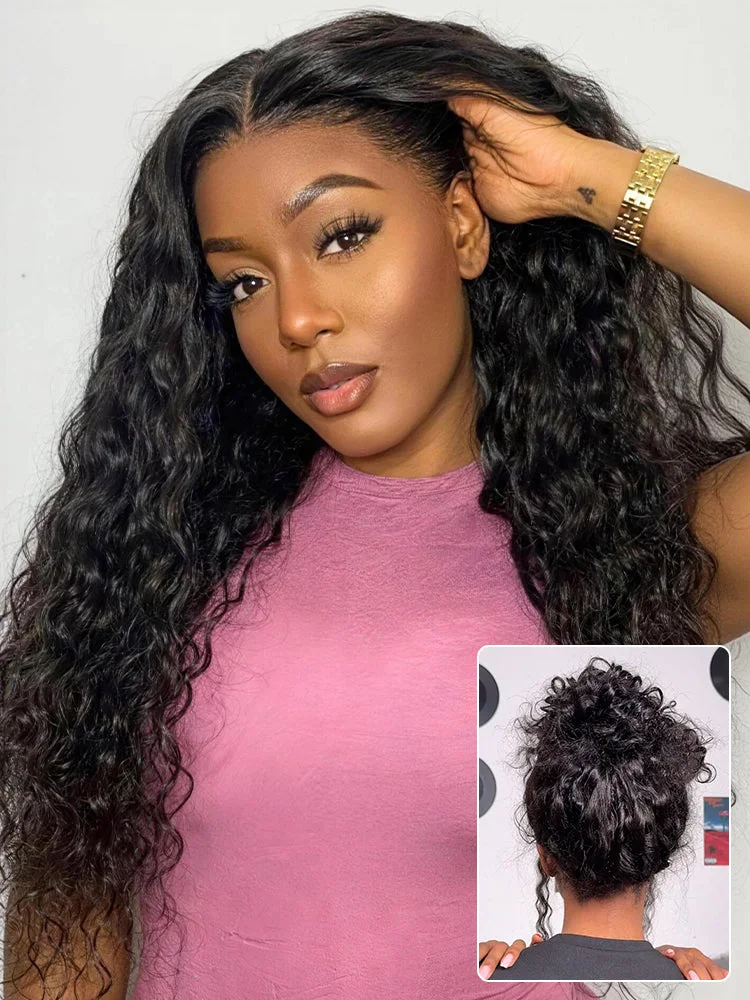
A half-wig look combines the added hair with the part of your own hair used in the style. That makes the blend a central part of the decision. Think about colour, texture, placement and the finish you normally enjoy wearing before choosing a product. A useful plan starts with your own routine and checks whether the specific construction supports it, instead of relying on a finished photograph to explain every step.
Define the part your own hair will play
Review the product’s installation directions and identify what they require from your natural hair. Decide whether that arrangement suits your preferred parting and usual finish. Do not assume that every half wig uses the same placement or amount of blending simply because it belongs to the same category.
Save a reference of the finished look you want, then describe which details matter: a visible part, a particular front shape or the way the hair falls around the shoulders. Bring that description to a stylist if you need help understanding the installation. It is easier to assess a clear goal than a vague request to make everything look natural.
Compare texture in your everyday finish
Look at your own hair in the state you intend to wear it with the piece. Compare that finish with the product’s actual photographs and stated texture. If the blend would depend on frequent heat styling or a routine you do not already enjoy, include that effort in the decision.
You can choose a different look deliberately, but make the preparation explicit. Write down what you would do before each wear and which steps are appropriate for your own hair and the piece. Care instructions may differ between them. A convenient purchase should work with your routine rather than leave you discovering an unexpected styling commitment after it arrives.
Review colour at the blending area
The colour near the transition between your hair and the added piece deserves close attention. Compare several images of the named option and consider the overall shade, root effect and any highlights. If your own hair has more than one colour through the lengths, include that in the matching question.
Use a clear, unfiltered reference of your hair if the store offers advice on a particular style. Describe the match you want without assuming a screen image can guarantee an exact result. For a deliberate highlighted or contrasting finish, focus on placement and balance rather than asking the two sections to look identical.
Check the attachment instructions carefully
Read the actual details about bands, combs, drawstrings or other fittings where listed. Confirm the selected option and check that it is suitable for the installation method you plan to use. A product title may mention a feature without explaining the entire cap arrangement, so use the description and construction images together.
Comfort belongs in your assessment from the beginning. If an attachment pulls or causes discomfort, stop and reassess the fit. The American Academy of Dermatology’s guidance on extensions supports addressing excessive tension promptly. A more secure-looking photograph is not a reason to continue wearing a painful arrangement.
Rehearse the complete look without rushing
Give yourself a first session when you do not need to leave immediately. Follow the product instructions, arrange the blend and check the front, sides and back. Move normally, put on your usual glasses if relevant and see whether the finished shape still looks balanced.
Record what you actually did, including where you placed the piece and how you arranged the blending section. If the result needs adjustment, change one element at a time. That helps you distinguish a colour issue from a texture difference or a placement problem. Avoid reaching straight for permanent cutting or chemical changes before identifying the cause.
Keep the plan with the product
Your useful reference is a short record: exact style, colour, texture, fitting arrangement and separate care directions for your hair and the piece. Add photographs of the finished look for your own use. It makes future wears easier to compare without promising an identical result every time. Explore half wigs, and use the texture comparison guide to refine the shape you want.
Keep exploring. Your next chapter is yours to shape.
Back to the journal