A thoughtful plan for blending clip-in extensions
Compare colour, texture, placement and the number of pieces before building your extension look.
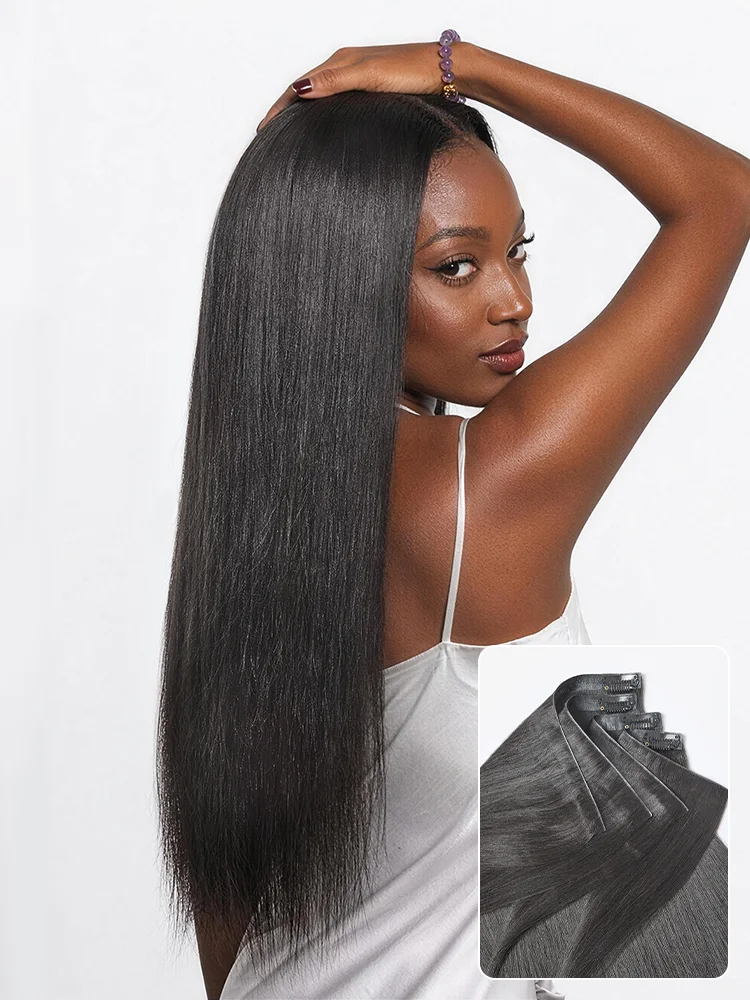
A convincing extension look begins before the clips are fastened. Colour, texture, the shape of your own cut and the placement of the pieces all contribute to the result. Buying the longest option does not answer those questions. Give yourself a clear blending plan, then assess what the particular set contains and how its instructions fit your hair. The aim is a look you can arrange comfortably and understand well enough to repeat.
Decide what you want the extensions to change
Choose your main goal: extra length, more fullness in a particular area, a different outline or a colour accent. That goal affects what you compare. A set intended to add fullness through the sides may lead you to different questions from a dramatic length change below a blunt natural cut.
Take a front and back photograph of your current hair in its usual finish. Note the shortest visible layers and the shape of the ends. These observations give a stylist or the store something concrete to discuss. They also help you recognise when a product photograph represents a starting haircut different from your own.
Compare the set, not just one photograph
Read the number of pieces, listed weight where provided, length, material and colour options. Check whether a pictured arrangement shows the whole set or a styled result. If a specification is not stated, ask about the exact product instead of borrowing a number from another listing.
Make a simple inventory of the pieces once you have decided to keep the set and are ready to use it: width, clip arrangement and intended placement according to its directions. Do not assume that every piece must be worn every time. The appropriate arrangement depends on the set and your own hair, so follow its fitting guidance and seek help when needed.
Match the visible lengths and texture
For a close colour blend, compare your mid-lengths and ends as well as your root. Review the named option and several gallery images, while keeping in mind that lighting and screens affect colour. Our online colour guide explains how to create a more precise matching brief.
Texture matters too. Compare the finish you normally wear with the extension’s stated texture. Avoid choosing a set that depends on repeatedly changing your own hair into a finish you do not enjoy maintaining. If you want a deliberately contrasting colour or texture, describe that as the goal; a contrast can be intentional rather than something to hide.
Check comfort as part of the result
Follow the placement and attachment instructions for your set. Fasten carefully and assess the result from several angles, including the back. Keep the clips covered as intended without forcing a placement that feels uncomfortable. If something pulls, take it out and reconsider the arrangement rather than tightening around the problem.
The American Academy of Dermatology advises loosening painful or overly tight extension styles and removing clip-ins before washing your natural hair. That guidance concerns the hair and scalp; use the extension maker’s separate directions for cleaning and maintaining the pieces themselves.
Assess the blend in normal movement
A still front-facing mirror check can miss a visible line at the back. Turn gently, move the hair as you normally would and check how your own ends sit against the added hair. Ask someone to take a clear back photograph if that makes the assessment easier.
If the cut needs professional blending, explain the finished outline you want and confirm that the stylist is comfortable working with the set’s material. Do not start by trimming several pieces at home to match an imagined result. Keep any permanent adjustment deliberate, and check the product’s condition and return terms before changing it.
Keep a placement record
Once you find a suitable arrangement, draw a quick map of which pieces you used and where they sat. Store that note with the product details and care instructions. It saves repeated trial and error, especially if you own several sets that look similar in their packaging. Browse clip-in extensions with your goal, colour brief and set checklist ready, then compare the actual options available.
Keep exploring. Your next chapter is yours to shape.
Back to the journal