A better wig fit starts before your first outing
A practical fitting session for checking cap measurements, placement and comfort before making permanent changes.

A wig can look beautiful on a screen and still need a careful fitting session when it arrives. The useful question is how the complete cap sits on you, with your own hair prepared as you intend to wear it. A strap, comb or band is one part of that picture. This guide helps you make observations you can act on, without rushing into cutting lace or changing the construction. Keep the product’s own fitting instructions beside you throughout.
Make a measurement record you can repeat
Use the measurement method stated for the particular style. If its guide requests circumference, front-to-back and ear-to-ear measurements, record all three rather than relying on a single number. Note the units beside each result. A number without “inches” or “centimetres” is an easy source of confusion when you compare options.
Measure with your natural hair arranged as it will be under the cap. A different preparation can change the space the cap needs. Take each measurement twice, and ask someone to help if the tape keeps slipping. Save the values and the product’s size chart together; a size name such as medium is meaningful only in relation to that chart.
Begin with placement, then adjust
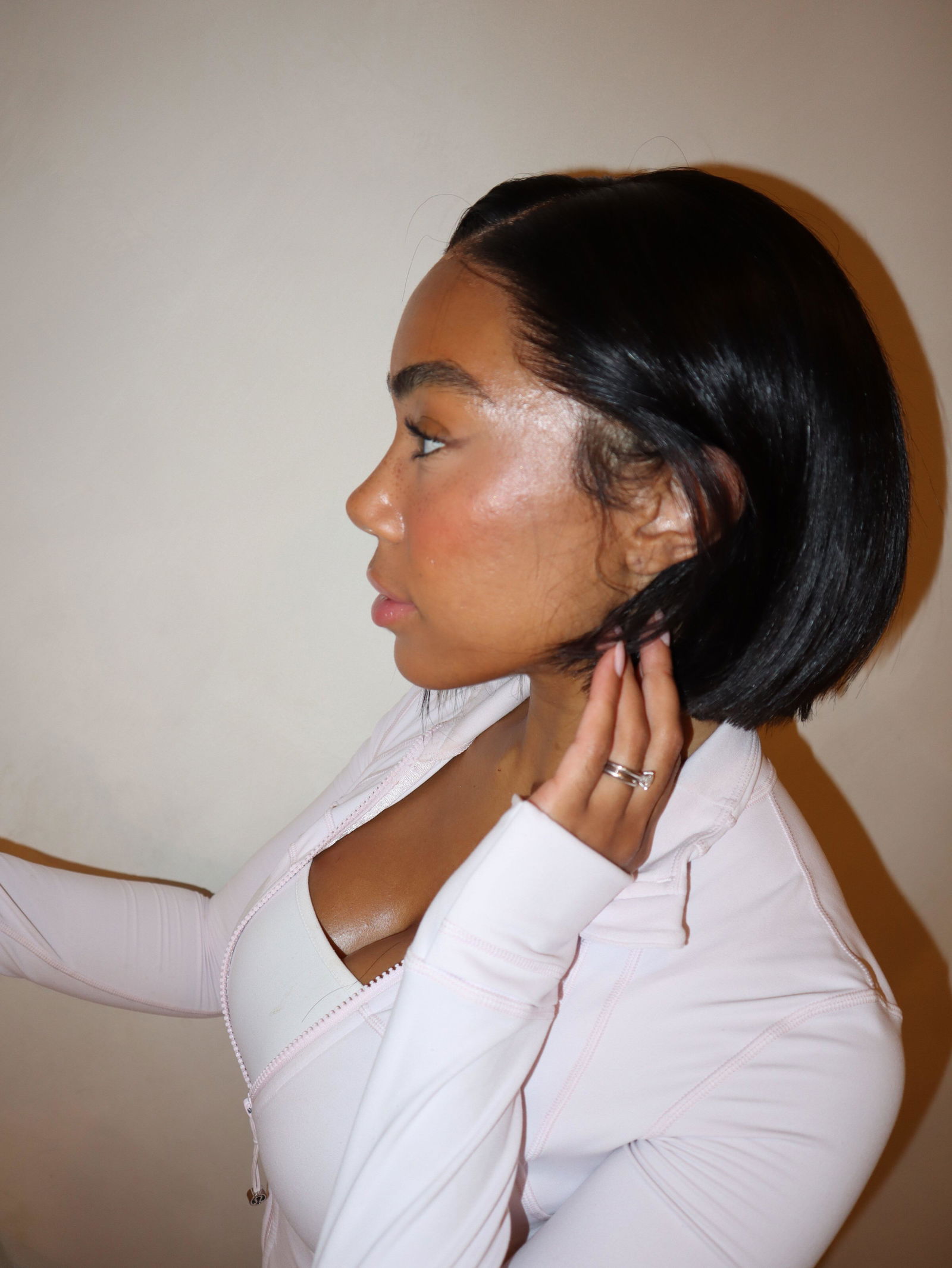
Before tightening anything, identify the front, nape and ear areas using the supplied directions. Position the cap carefully and look at it from the front, both sides and the back. If the shape seems wrong, check orientation and placement before assuming it needs tighter straps.
Change one adjustment at a time. This makes it easier to tell whether the strap position, a fold underneath or the placement itself caused the improvement. Photograph the inside settings once you find a comfortable arrangement. A quick reference can be more useful next time than trying to remember which notch you chose. Avoid adding extra attachment methods unless they are appropriate for the specific construction.
Check the fit during ordinary movement
Sit down, look over each shoulder, tilt your head and put on any glasses you normally wear. These small movements reveal practical issues that a still mirror pose can miss. Look for cap bunching, pressure around the ears or a nape that shifts when you move. Check whether your glasses and the cap compete for the same space.
A fitting session should help you decide whether the cap works; it should not become an exercise in tolerating discomfort. If an attachment pulls or hurts, release it and reassess. The American Academy of Dermatology’s extension guidance also treats painful tension as a reason to loosen a style, rather than accept it as normal.
Keep your first assessment reversible
Read the current returns and exchanges information before altering a new piece. Cutting lace, colouring, washing or changing attachments can affect its condition and eligibility. Make an initial inspection while the hair, packaging and labels remain as received, subject to the seller’s instructions.
Use that inspection to separate preference from a possible issue. “I would like a softer fringe” describes a styling preference. “The selected cap size differs from the label” is a concrete order concern. Save a clear photograph and the selected option details if something does not match. Precise information helps the store understand the situation without guessing from a general description of poor fit.
Match the solution to the observation
If the cap seems too roomy, revisit your measurements and compare them with the selected size before adding more tension. If it seems too small, check that hair preparation is not creating an unexpected ridge, then reassess the actual measurements. If one location is uncomfortable, note exactly where it is and which attachment sits there.
A stylist familiar with that construction can help assess an adjustment, but avoid asking for irreversible customisation before you have decided to keep the piece. Your useful record is simple: cap option, measurements, preparation, adjustment setting and what happened during movement. It makes a follow-up conversation much clearer.
Your fitting-session takeaway
Finish with three decisions: whether the selected size is appropriate, whether the cap stays comfortably positioned and whether any specification needs clarification. You do not need to solve every styling preference on the first day. Once fit is settled, length and silhouette are much easier to judge. Start with our original first-wig guide, or compare the construction details in the glueless collection.
Keep exploring. Your next chapter is yours to shape.
Back to the journal