Choose curls for the shape you want to wear
Look beyond a texture name to compare curl size, overall volume, movement and your preferred finish.
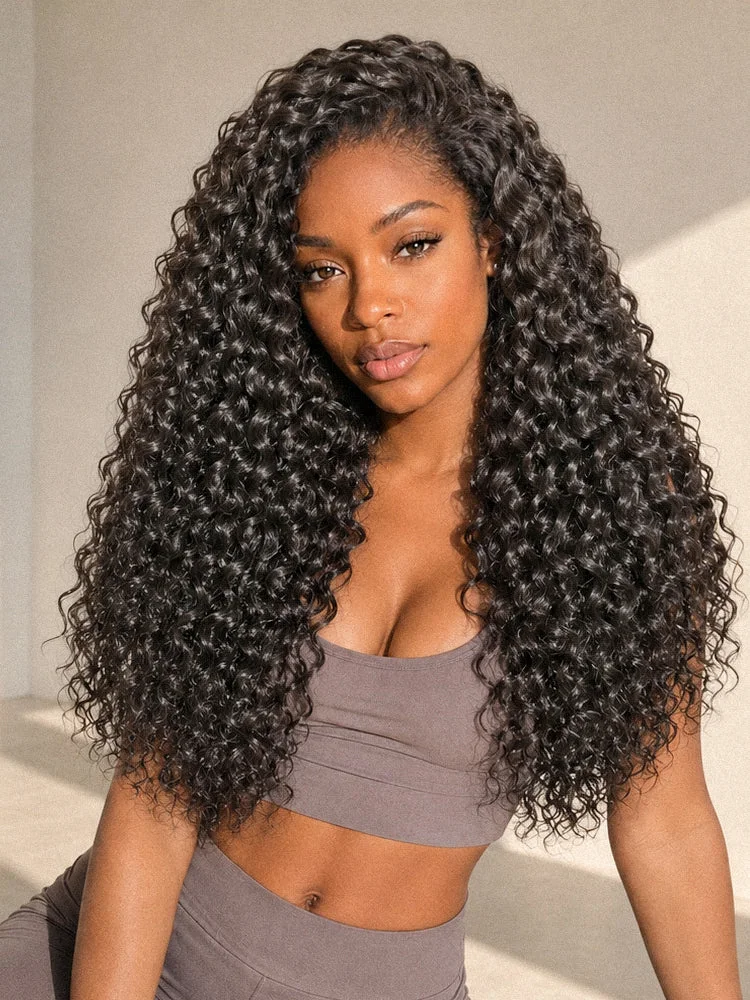
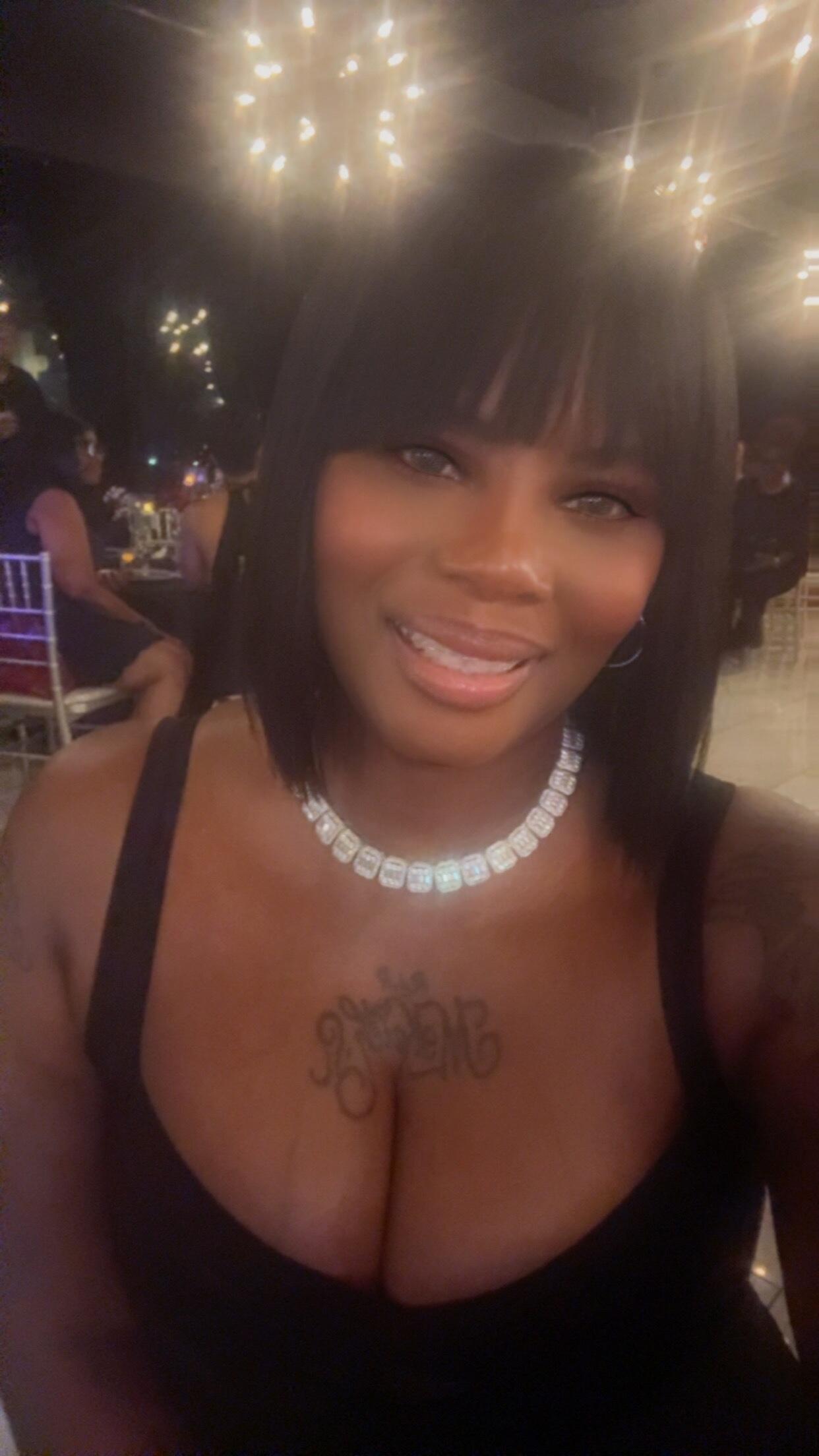
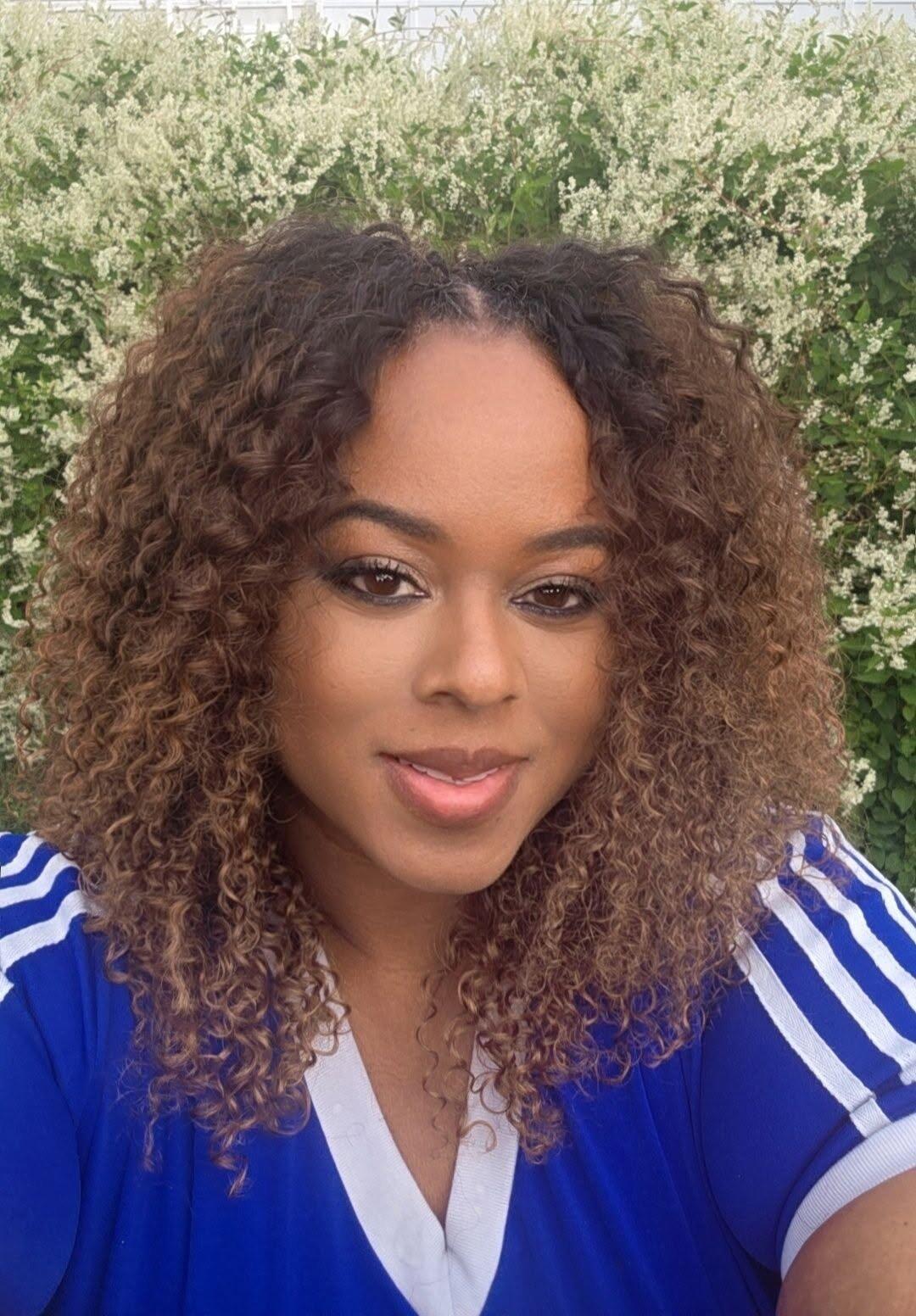
Curly hair can create a close, rounded silhouette, a longer flowing shape or something in between. A texture name gives you a starting point, but the full gallery usually tells you more about the look. When choosing curls, compare the shape as carefully as the pattern. It helps to separate what the product shows from the way you hope to arrange it, especially if you are considering a texture that is new to you.
Start with the overall outline
Before zooming into individual curls, look at the complete shape. Notice where the hair appears fullest: around the crown, through the sides or near the ends. Decide whether you want a wider outline, more length down the back or shorter sections framing the face. These choices are personal and need not follow a fixed formula.
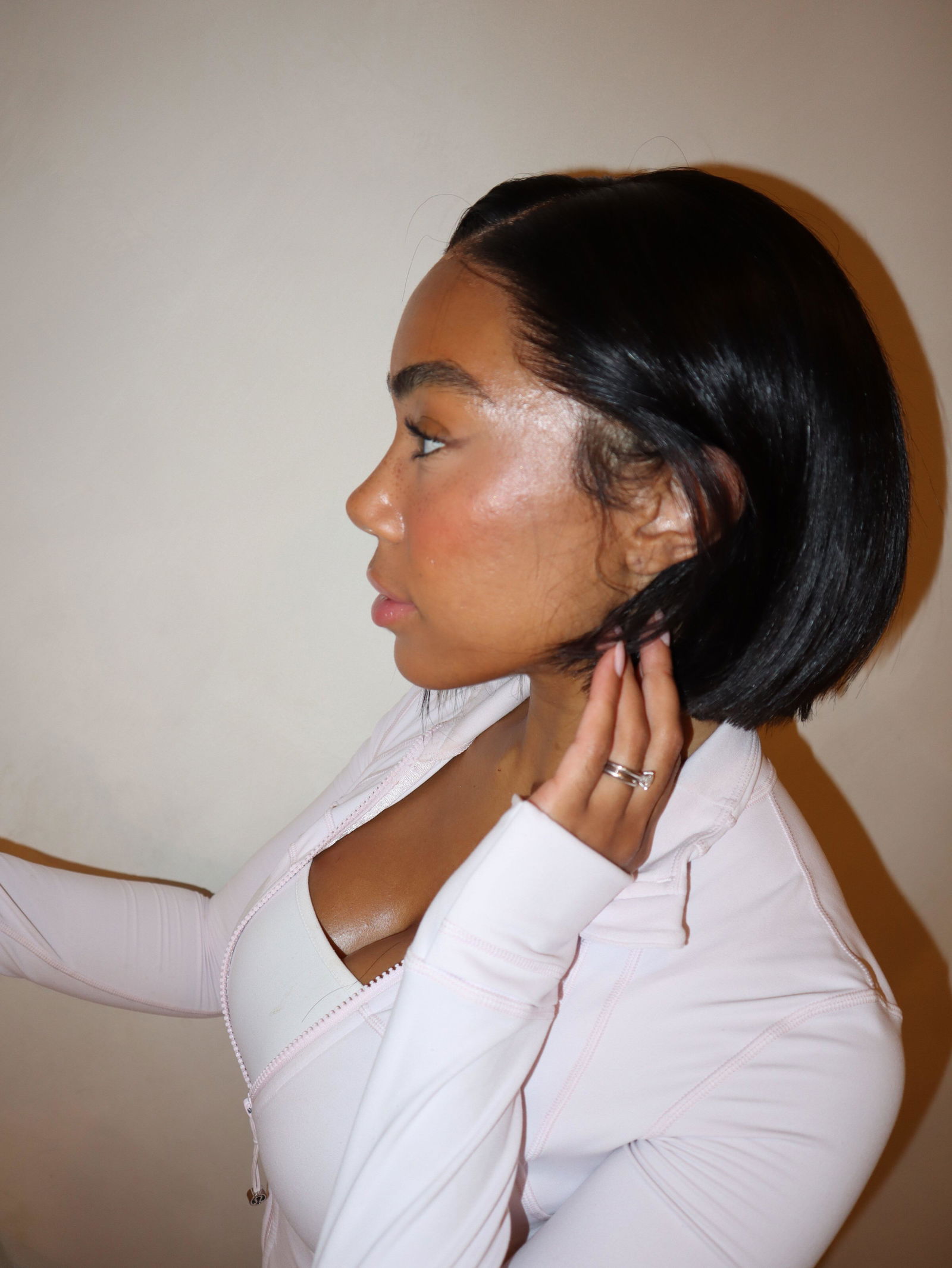
Save a front and side reference if the gallery provides them. A front-facing photograph can make two styles look similar even when their profiles differ. Keep your notes about the hair separate from the model’s pose, clothing and background. That makes the comparison more useful when you return to the shortlist later.
Read the texture description with the images
Terms such as loose wave, deep wave, curly and kinky curly help organise a collection, but do not assume that the same term describes an identical pattern across every product. Compare the actual style, its stated material and the selected length. Look for photographs that show both a close view and the whole piece.
If the page explains how the hair was prepared for a photograph, include that information in your notes. If it does not, avoid assuming the pictured finish is what every piece looks like immediately after unpacking or washing. Ask which preparation or styling steps are appropriate for the specific product when that affects your decision.
Think about the finish you enjoy
You may prefer defined groups of curls, a softer separated finish or a combination. Describe that preference clearly. It is easier to discuss the product’s styling possibilities when you can explain the result you want, rather than simply asking whether it is “easy”. Ease depends partly on your routine and familiarity with the texture.
Do not make a new piece your first experiment with unfamiliar tools or a long list of products. Begin with its care instructions and introduce one change at a time. If a stylist helps shape the hair, bring a reference and explain how much fullness you want to keep. Cutting or thinning changes the silhouette, so decide deliberately.
Compare length as worn and as specified
The option label and the visible position of the ends are two useful but different pieces of information. Check the product’s measurement method, and look at the shape in the selected texture. When the method is unclear, ask instead of transferring an assumption from a straight style.
Imagine the hair with your normal clothing and activities. Consider whether you like it around the shoulders, whether you tend to move it away from the face and how much time you want to spend arranging it. Our length, density and shape guide gives you a comparison worksheet that works well alongside these observations.
Make a routine you can actually repeat
List the information you need before the first wash: suitable cleansing method, approved detangling approach, drying directions and any styling restrictions. Keep the instructions with the product record. Care guidance for your own hair is not automatically a complete care guide for a constructed wig or extension piece.
Set aside a clean place to work and time to let the piece finish drying as directed. If your schedule rarely allows that, factor it into the choice rather than promising yourself an elaborate routine you do not enjoy. The right purchase should fit the way you want to look and the way you want to spend your time.
Make your shortlist specific
For each candidate, write one sentence about the silhouette, one about the photographed pattern and one about the routine you would follow. Add any unanswered question about the selected option. You will have a more useful shortlist than a folder full of attractive images with no context. Explore the wig collection and return to the original texture guide whenever you need a simple starting point.
Keep exploring. Your next chapter is yours to shape.
Back to the journal