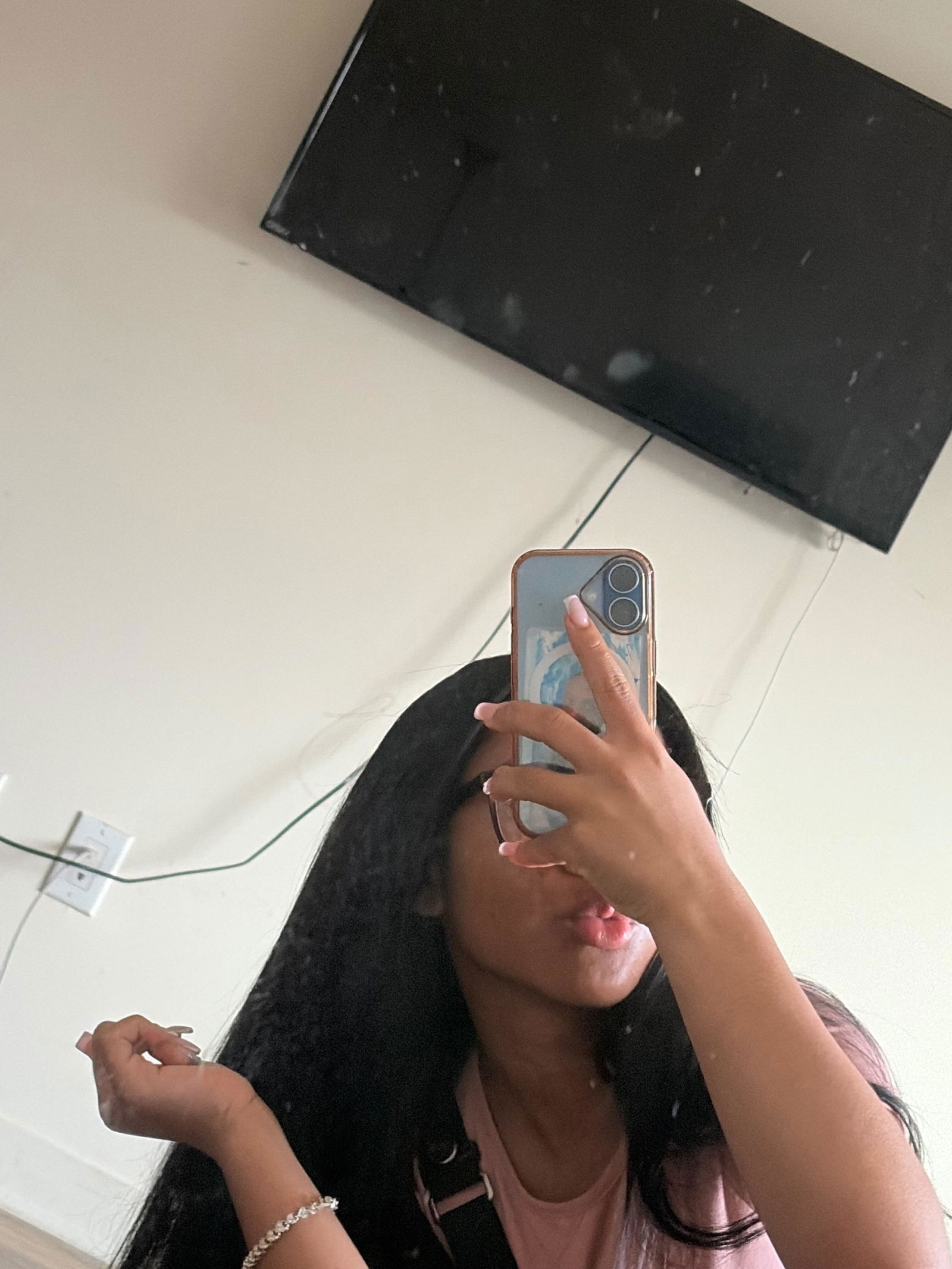
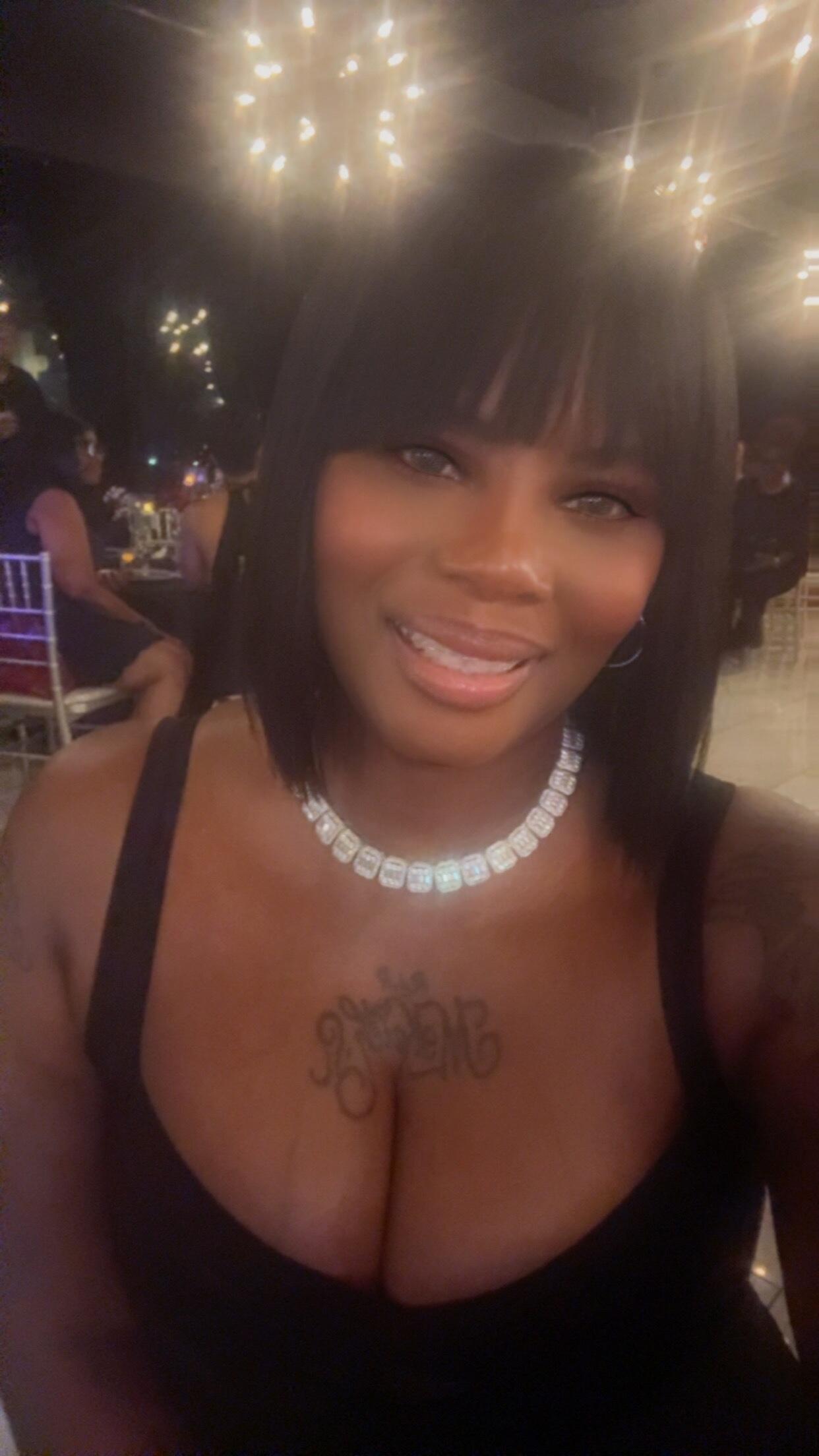
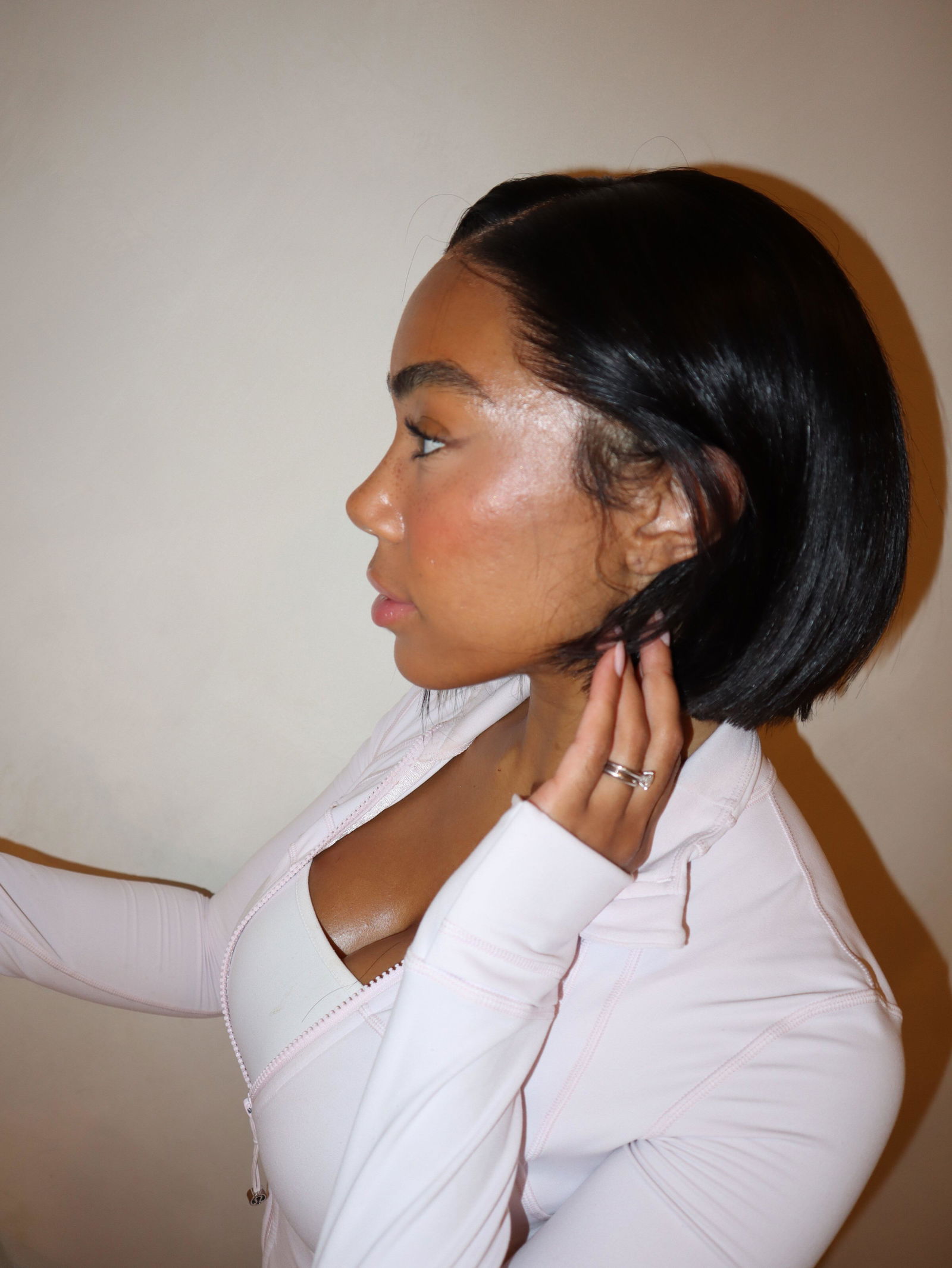
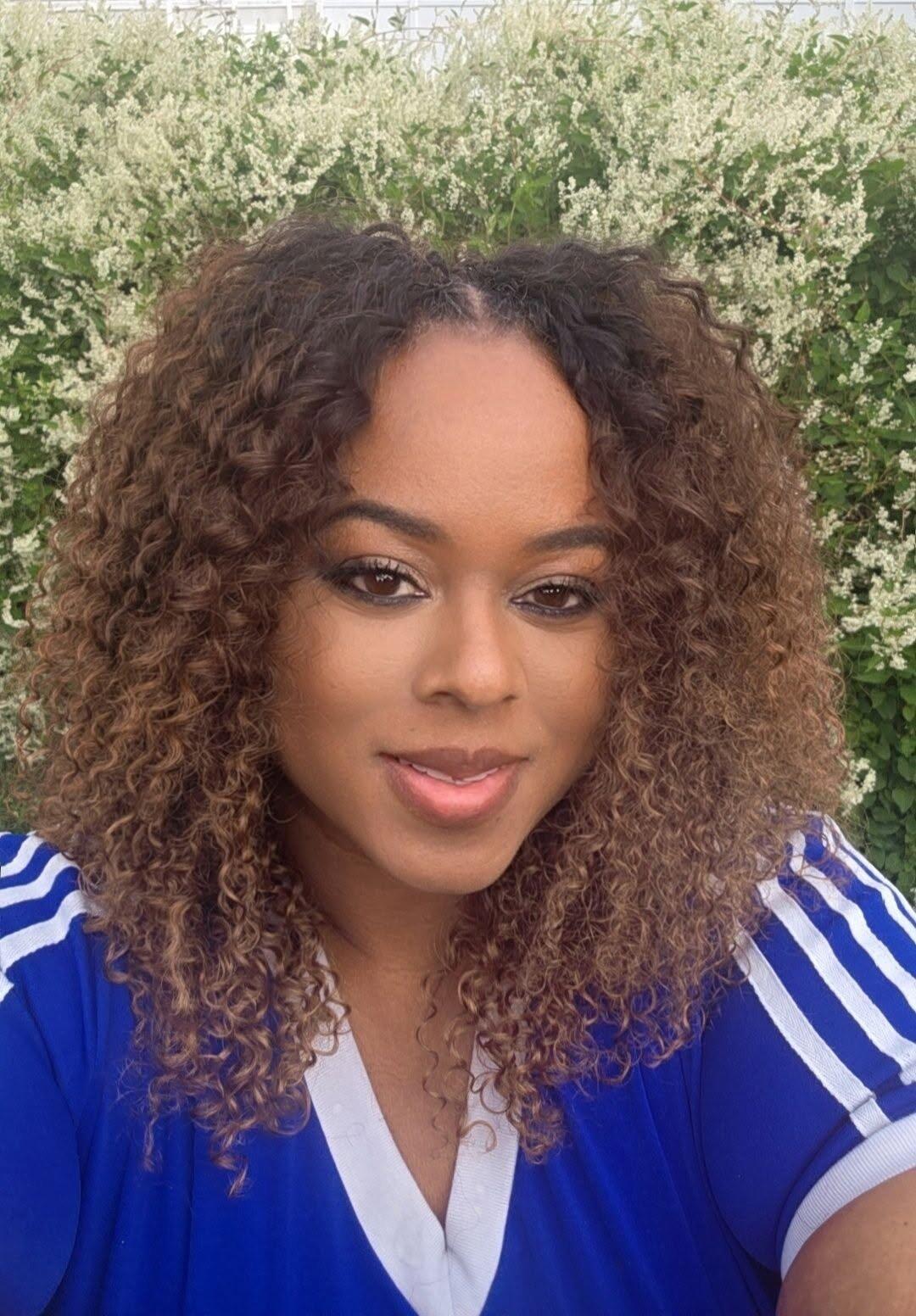
Length, density and shape: read the whole picture
Learn how to compare the finished silhouette instead of choosing a wig by its length label alone.
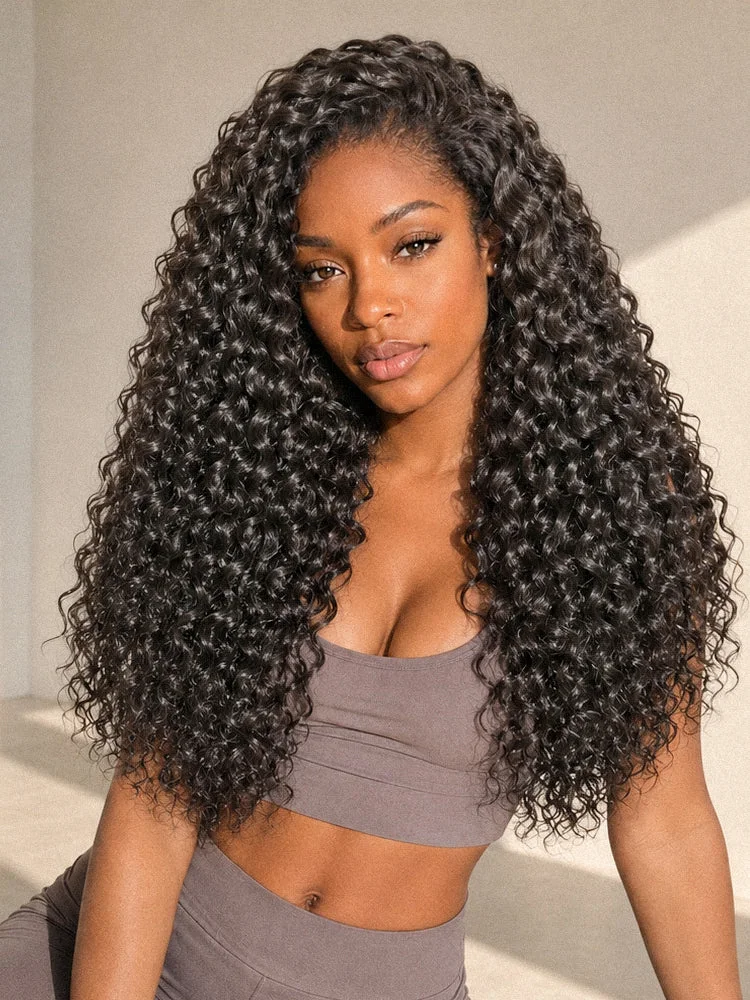
A length option tells you something useful, but it does not describe the complete shape of a wig. Two styles with the same listed length can create different outlines because of their texture, layers, parting and cut. Density adds another detail, yet it still does not replace a clear look at the finished style. A good comparison brings the specifications and the photographs together, then relates them to how you want to wear the hair.
Describe the silhouette before choosing a number
Start with where you want the hair to sit visually: around the jaw, near the shoulders, below the collarbone or further down the back. Add how you want it to frame your face. You might prefer fullness around the sides, a softer perimeter or a longer front section. These descriptions help you narrow the choices before becoming attached to one length option.
Use photographs of yourself in an everyday top as a reference. Necklines, shoulder width and your preferred part all influence the overall look you are imagining. You are building a personal comparison, not looking for a universal “correct” length for your face or height.
Check how the product measures its length
Read the measurement information on the product page. If it does not explain the method, ask about that exact style before treating a number as a promise of where every strand will land. A styled curl, an extended strand and the longest layer answer different questions. Avoid comparing measurements that may have been taken differently.
When browsing, note the length selected in the options separately from the length shown in the photographs, if the gallery identifies it. A photograph can show a different option from the one currently selected. The best comparison uses the same named variant, the stated measuring method and a view of the hair’s overall outline.
Look for the cut underneath the length
Study the front and back views. Are the ends blunt, tapered or layered? Does the front fall shorter than the back? Does the fringe form part of the listed style? These details help explain why a long layered cut may feel visually lighter around the face than a shorter, fuller silhouette.
A video can make the perimeter easier to see, especially when hair moves away from the shoulders. Pause at useful moments rather than judging from a single moving frame. If you intend to have the wig trimmed, first consider whether a nearer starting cut is available. Removing length does not automatically reproduce another product’s construction or distribution of hair.
Treat density as one specification
If a product lists a density percentage, keep it in your comparison notes alongside cap construction, texture and length. Do not use that percentage alone to predict the finished weight, comfort or volume. Unless the product provides those details, they remain separate questions. A numerical label is not a substitute for views of the hairline and ends.
For a practical shortlist, use columns headed “desired outline”, “selected length”, “listed density”, “cut” and “questions”. A blank answer is useful: it shows what you need to clarify. It is better than filling the gap with an assumption based on another style that happens to have a similar title.
Compare two complete options at a time
Large comparison lists quickly become confusing. Choose two candidates and describe the difference in one sentence, such as “a fuller curled outline versus a straighter, tapered outline”. Then compare their available lengths, cap details and prices for the actual variants you would choose.
Check front, side and back images where available. Also think about daily handling: where the ends meet your clothing, how much hair you like around your face and the time you want to spend arranging the shape. These are personal preferences you can assess without assuming that longer hair or a higher density is automatically a better choice.
A useful final check
Before adding a style to your collection, write down the exact length, colour and cap option you selected. Revisit the gallery once with those details in mind. If the photographed finish differs from the option you want, ask for clarification rather than mentally adjusting the picture. Our texture guide can help with the next comparison, and the wig collection lets you review the complete specifications for each style.
Keep exploring. Your next chapter is yours to shape.
Back to the journal