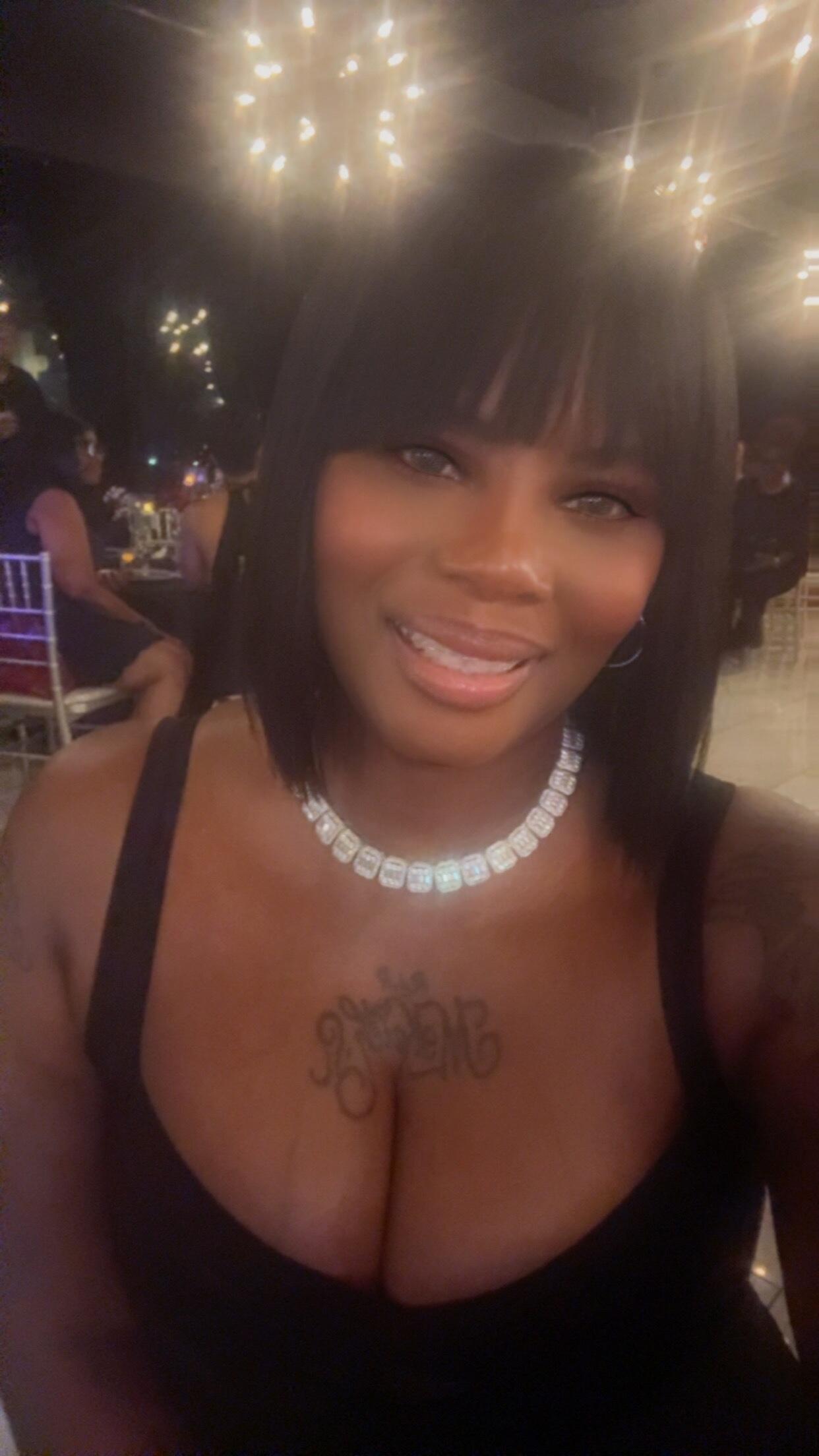
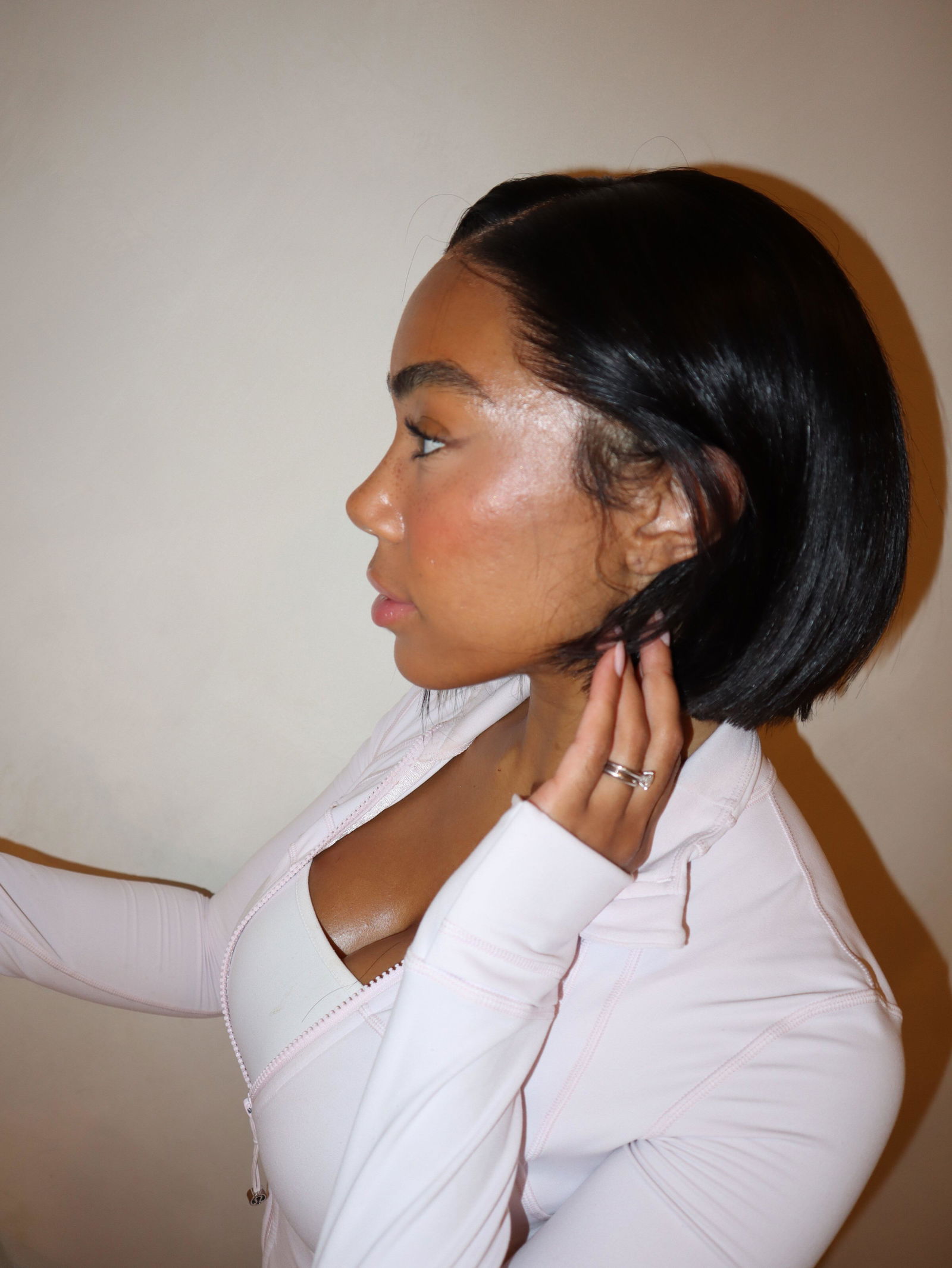
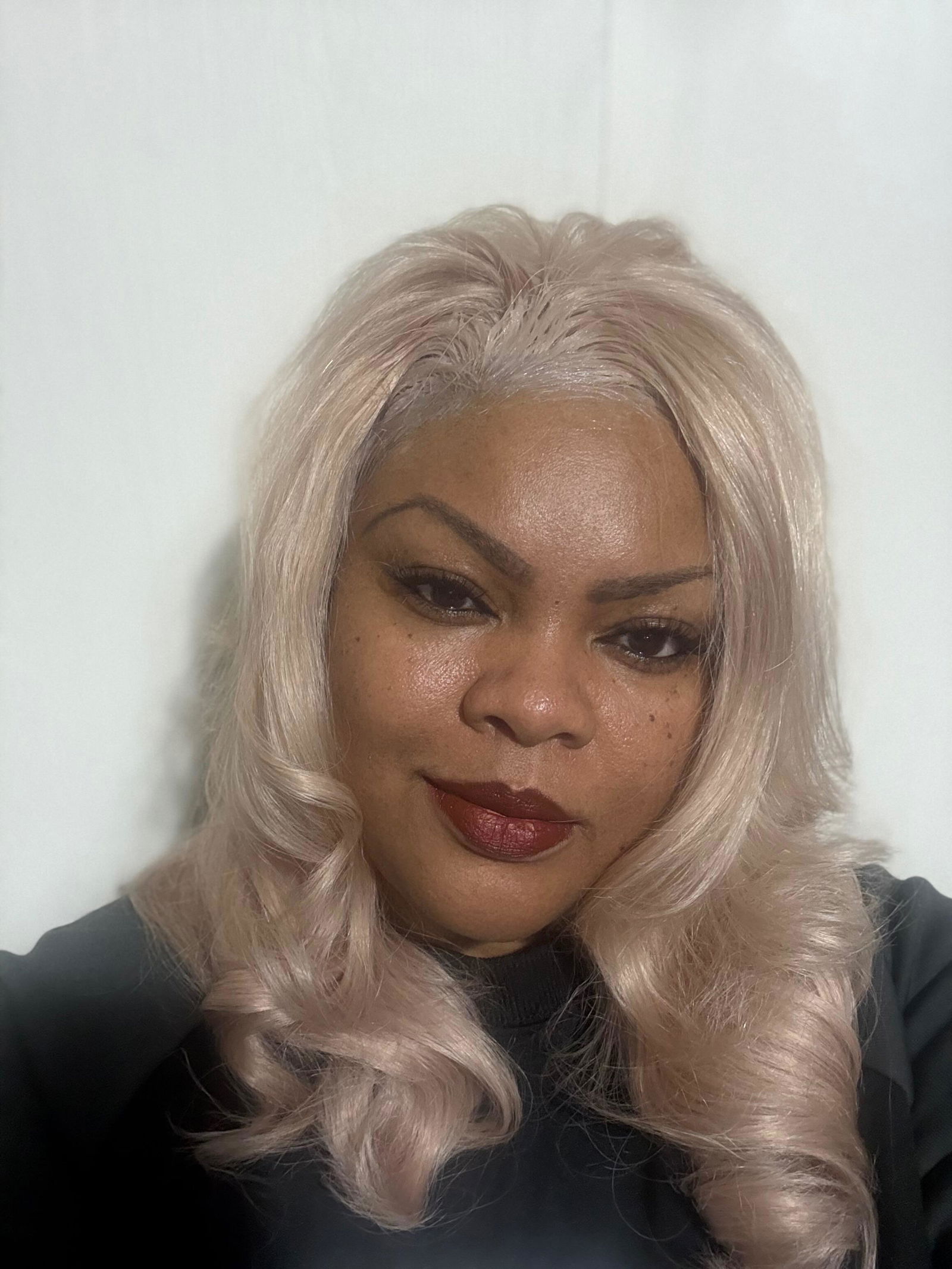
Find the bob silhouette that fits your routine
Compare fringe, perimeter, parting and length to build a short-hair shortlist around the way you dress and move.
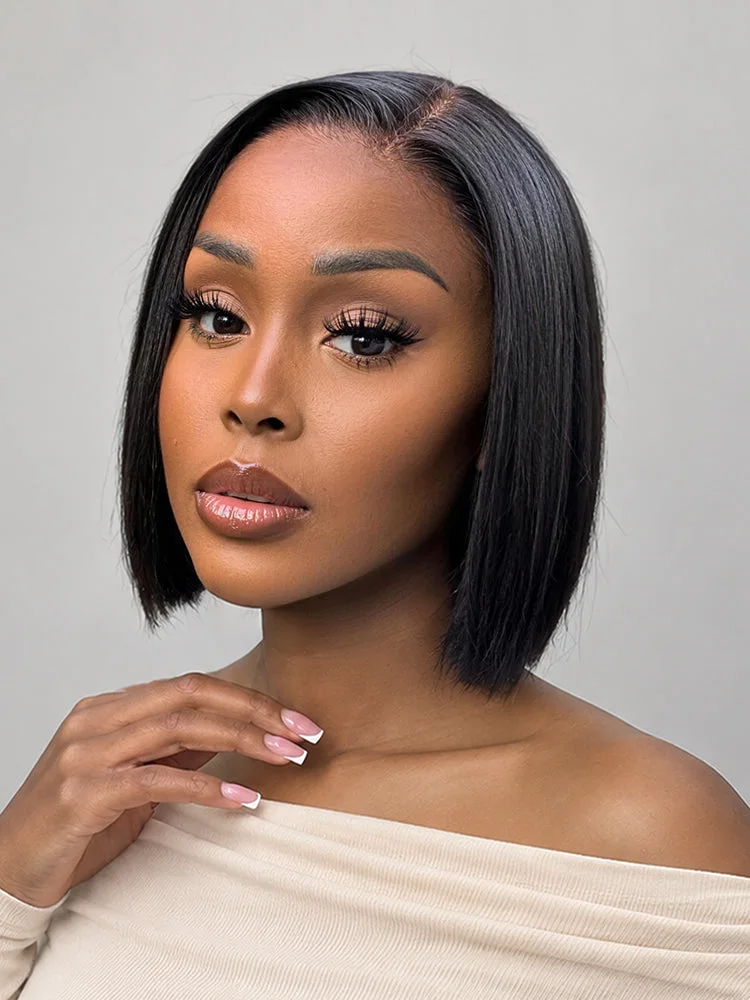
A bob is a family of silhouettes, not a single look. A blunt outline, a layered shape, a curved fringe and a side part each change how the hair frames the face. Shopping becomes more enjoyable when you compare those details instead of treating every short style as interchangeable. Start with the shape you want to see in the mirror, then consider the cap, selected options and everyday routine that will support it.
Choose the line you want around the face
Look at where the front sections fall in the product photographs. Some styles create a continuous outline, while others have shorter framing pieces or a fringe. Decide whether you want the face more open, softly framed or partly covered. Your preference may change with glasses, earrings or the necklines you wear most often.
Use descriptive notes rather than rigid face-shape rules. “I like the longer front pieces” or “I want less hair near my eyes” tells you more about your own preference than a generic chart. Compare front and side views so you understand how the shape continues beyond the main photograph.
Examine the perimeter and the back
The lower edge of the cut contributes a great deal to the overall effect. A strong, even line can feel different from tapered or layered ends. Check the back view where available, and look at whether the shape is similar all the way around or changes between the front and nape.
Think about the collars and outerwear you use frequently. A neckline that sits close to the hair may affect how you arrange it during the day. This does not rule a style out; it gives you a practical fitting check. Try the complete outfit during your first at-home assessment instead of judging the hair in isolation.
Decide what you want from a fringe
A fringe can be an important part of the silhouette, but its photographed position may differ once the cap is fitted on you. Settle the cap placement before deciding that it needs trimming. Pulling the whole wig forward or backward just to change the fringe can disturb the rest of the fit.
If a trim is needed, explain the desired result to a stylist familiar with wigs and the specific material. Bring a reference showing the length you prefer, and check it while wearing the cap in its normal position. Taking off more hair is easy; putting that same length back into the cut is not a simple adjustment.
Compare the finish you enjoy maintaining
A photograph may show a carefully styled finish. Read the product description to understand the material, cut and care directions, then decide whether that finish matches the effort you want to make. Do you enjoy a precise outline, or would you prefer a shape you can arrange more loosely?
Avoid assuming that every short wig has the same routine. A textured bob and a straight fringe style may need different handling according to their instructions. If you are considering heat styling, confirm that it is appropriate for the exact piece. Our heat-styling planning guide explains how to gather the right information before using a tool.
Build a three-style shortlist
Choose one familiar option, one slightly different shape and one more adventurous choice. For each, note the cap size, parting, fringe, texture, selected length and price. Then describe the main difference in a single sentence. This keeps the shortlist useful and prevents three nearly identical photographs from feeling like three clear options.
Use the gallery to test those descriptions. If a supposed difference only comes from the model’s pose or outfit, revise your notes. When a needed view is missing, ask about the exact product. A clear question about the back or fringe is easier to answer than a request to describe the entire style.
Make the final choice practical
Imagine wearing each option on an ordinary day, including your glasses, coat and usual morning schedule. Choose the silhouette you want to keep reaching for, rather than the one that wins a single photograph. Save the selected variant so you can find it again. Browse short and bob wigs, and use the cap-fit checklist before making any permanent customisation.
Keep exploring. Your next chapter is yours to shape.
Back to the journal